

HTA gives evidence to the Environmental Audit Committee on peat-free transition
4 March 2026
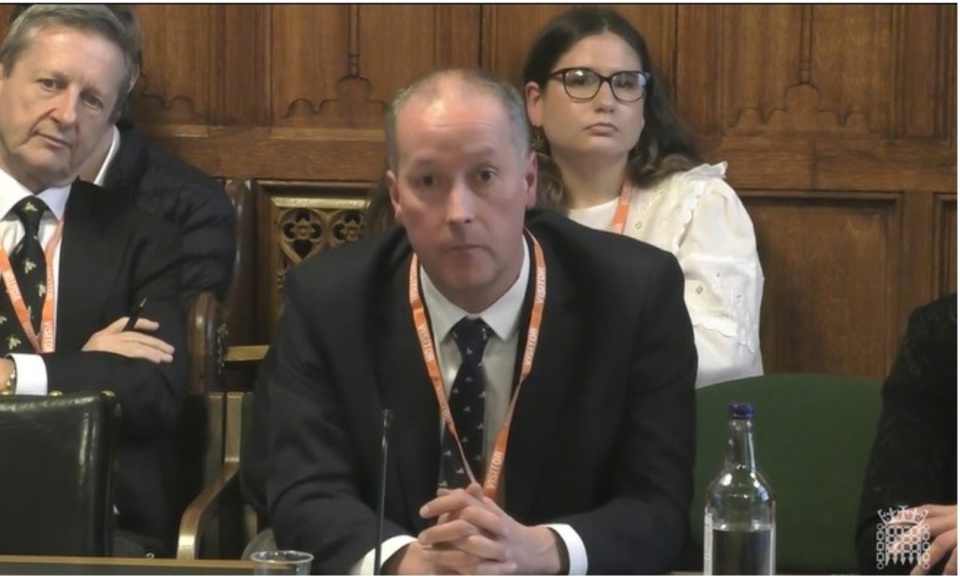
The Horticultural Trades Association (HTA) has today given oral evidence to the Environmental Audit Committee as part of its evidence session on horticultural peat, calling for recognition on the sector’s progress and for a supported transition to peat-free.
The session, ‘Peatlands: Natural and Environmental Benefits and Impacts’, also included representatives from the Department for Environment, Food and Rural Affairs (Defra), conservation groups and non-governmental organisations. It covered a wide range of issues relating to peatlands, the UK government’s position, and the impact of going peat-free on the environmental horticulture sector.
The HTA’s Director of Research and Knowledge Transfer, David Denny, outlined the barriers and opportunities, as well as HTA member experiences across the different stages of the peat-free journey. The evidence session examined the progress made by HTA member businesses and the measures the Government could take to remove barriers for small and medium-sized enterprises (SMEs) operating under rising costs and regulatory pressures.
Speaking after the session, David Denny said:
“The Horticultural Trades Association backs a supported transition to a peat-free future for horticulture, and calls for recognition of the huge investment, innovation and progress across the sector in reducing peat-use. The UK is leading in this transition, and it has been achieved through collaboration and commitment from businesses, most of which are SMEs, who are simultaneously managing a perfect storm of costs and regulatory hurdles. HTA members are also leading on research and innovation in many areas of peat alternatives, but they rely on the Government to unlock regulation and remove barriers to progress.
“Transitioning away from peat, particularly in professional growing, is technically complex. There is no single, like-for-like alternative that works across the thousands of plant species propagated and grown commercially in the UK. This is not simply a material substitution. It involves redesigning an embedded production system from growing media formulations and irrigation infrastructure to nutrient regimes, crop scheduling and quality control. Delivering that change responsibly requires multi-year trials, capital investment in equipment and monitoring systems, and the integration of new management practices within growing cycles that can span three years or more. It must be implemented in a controlled, evidence-led way to protect plant quality, business viability and supply.
“There are environmental and economic risks of delivering a policy that does not support UK horticulture to flourish. We call on the government to work with the experts and to share the sector’s ambition as a driver of green growth and jobs. The HTA is committed to playing a positive and key role in achieving a peat-free, sustainable and thriving future for its members and the sector.”
- For the HTA’s latest paper on Supporting a peat-free transition in UK horticulture, visit: hta.org.uk/policy/political-stakeholder-briefings
- HTA members can access technical support with the transition to peat-free, here: hta.org.uk/grower-support-campaign/growing-media
- To watch the full Environmental Audit Committee session, visit Parliament Live TV.